
Types of Excavators and Their Uses

Excavators are heavy-duty machines built for digging, lifting, and moving materials across construction and industrial sites. They are known for their hydraulic-powered arms, buckets, and rotating cabs. While all excavators are used for digging and handling or lifting various materials, certain types of excavators are designed for specific tasks. Each type offers distinct features that, when used in the right application, improve efficiency, safety, and overall performance on site.
In this blog, we differentiate the different excavator machines.
7 Types of Excavator Machines
Crawler Excavators
Crawler excavators are widely used for heavy-duty construction because of their strong stability and traction. They run on tracks, allowing them to perform well on uneven or muddy ground. However, this feature is not ideal for paved surfaces.
Although they move more slowly than wheeled machines, they are more reliable in demanding environments.
Common applications:
- Large-scale excavation and earthmoving
- Trenching for infrastructure projects
- Mining and quarry operations
- Heavy lifting at construction sites
Wheeled Excavators
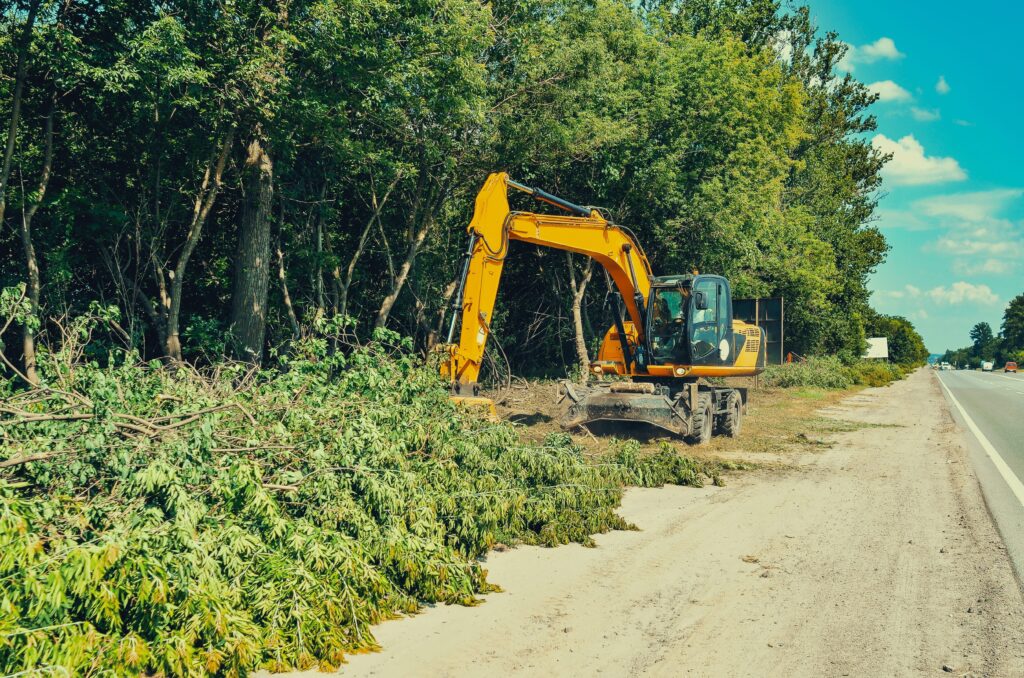
Wheeled excavators are designed for mobility and speed. They have rubber tires that allow them to move efficiently on paved areas, ideal for urban projects. Because of this they are also easy to reposition between job sites.
However, their mobility is limited to urban projects. Wheels offer less stability on soft or rough terrain compared to tracked machines.
Common applications:
- Road construction and maintenance
- Urban utility work
- Site development in cities
- Light to medium excavation tasks
Dragline Excavators
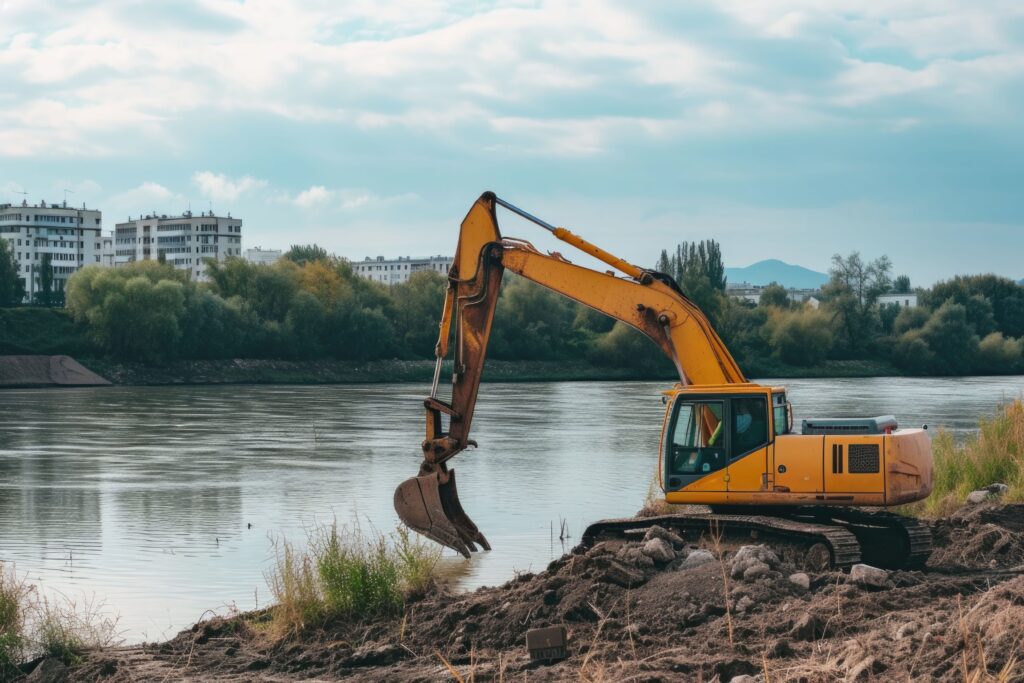
Dragline excavators are large machines built for deep and wide excavation. They use a cable system to drag a bucket across the ground. This allows them to reach areas that standard excavators cannot. While they are highly effective for large projects, they need to be assembled on site and require significant space to operate.
Common applications:
- Surface mining operations
- Large-scale civil engineering projects
- Dredging and underwater excavation
- Canal and port construction
Suction Excavators
Suction excavators offer precise and controlled excavation by using air or water to loosen soil before vacuuming it. This reduces the risk of damaging underground utilities. They are highly accurate but may not be as efficient as traditional machines for large-scale digging.
Common applications:
- Utility and pipeline exposure
- Urban excavation near cables and pipes
- Cleanup of debris and loose materials
- Sensitive excavation in confined areas
Long-Reach Excavators
Long-reach excavators are designed with extended arms for greater reach and depth. This kind of excavator is useful for tasks that require distance between the machine and the work area. This improves safety in operations where there is a risk of structural crumbling. However, their longer arms have a weaker digging force compared to standard excavators.
Common applications:
- River dredging and desilting
- Demolition of tall structures
- Excavation across obstacles
- Slope and embankment work
Skid Steer Excavators
Skid steer excavators are compact and versatile machines that can be fitted with various attachments. They are easy to maneuver, making them ideal for tight spaces. While they are flexible, they have limited digging depth and power compared to larger excavators.
Common applications:
- Landscaping and site preparation
- Small construction projects
- Residential excavation work
- Material handling in confined spaces
Mini Excavators
Mini excavators are compact machines suited for various smaller jobs and limited spaces. They are easy to transport and operate, making them efficient for light work. Although closer in size, there is a difference in the power and mobility of a mini excavator vs a backhoe loader. Their limitation lies in lower power and capacity compared to larger units.
Common applications:
- Residential construction projects
- Trenching for utilities
- Interior or indoor excavation
- Light demolition and landscaping
Choosing the Right Type of Excavator for the Job
Selecting the right excavator depends on more than just size or budget. Each project has specific requirements that affect equipment performance. Considering key factors helps ensure that the machine matches the task, improves efficiency, and minimizes downtime.
Project Scope and Scale
The size and complexity of the project determine the type of excavator needed.
Ground and Site Conditions
Consider soil type, terrain, and stability to select the most efficient machine for the project.
Required Reach and Digging Depth
Projects that involve deep excavation or extended-reach work need machines designed for those capabilities.
Mobility and Accessibility
Job sites with limited space or frequent relocation needs require machines that are easy to move.
Attachment Compatibility
Different tasks may require specialized tools, such as breakers, grapples, or augers, or one with multiple attachments.
Operating Costs and Fuel Efficiency
Choose excavators designed for fuel efficiency and easy maintenance to minimize operating costs.
Safety Requirements
Certain environments demand higher safety standards, especially when working near utilities or structures.
Transport and Logistics
Smaller excavators are easier to move, while larger machines may require special transport arrangements.
Powering Your Projects with the Right Excavator
Understanding the different types of excavators allows businesses to make informed decisions when investing in heavy equipment. Each new generation excavator offers unique advantages that support various construction and industrial needs. From compact machines for tight spaces to large units for heavy-duty work, the right excavator can improve productivity and operational efficiency.
Choosing reliable equipment ensures consistent performance and long-term value for any project. Get in touch with CIVIC Merchandising Inc. so we can help you pick the best excavators for your worksite needs.