
Risks of Non-Genuine Parts and How They Affect Your Heavy Equipment
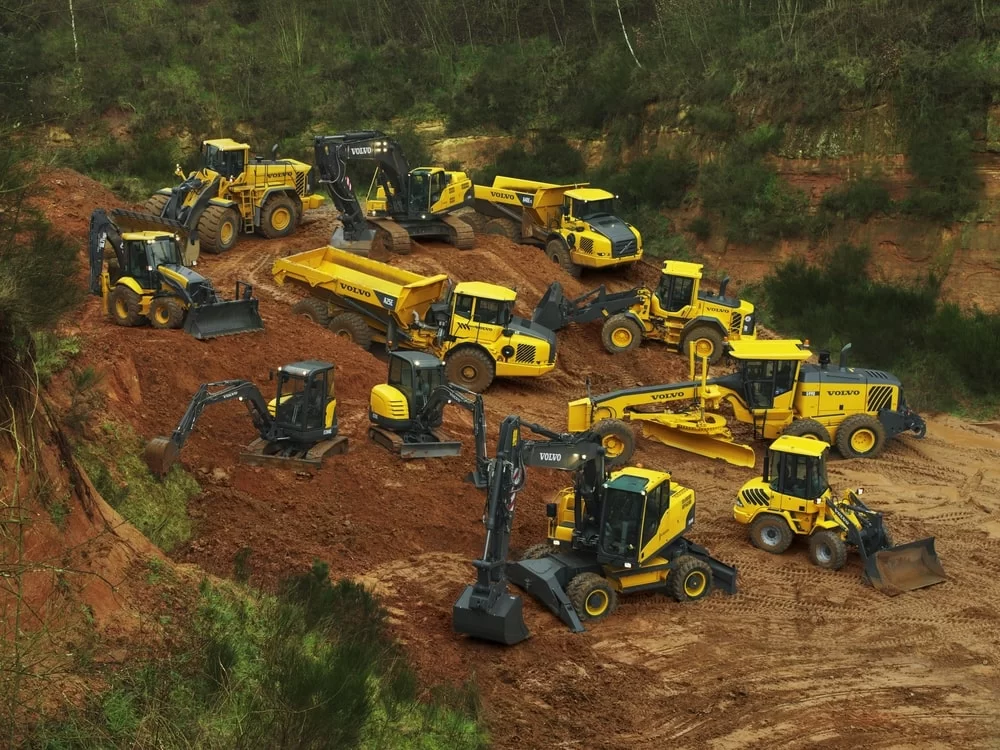
Keeping heavy equipment in peak condition requires strict attention to reliability, performance, and long-term operating costs.
While non-genuine parts are often marketed as cheaper and more accessible alternatives, the risks of using non-OEM parts can be significant, especially in construction, mining, and transport environments where machines operate under intense loads.
Understanding the trade-offs helps operators avoid unexpected downtime and ensure safety and productivity.
Let’s explore the risks and quality considerations when buying non-OEM parts, as well as the factors to consider when choosing between genuine and non-genuine parts.
Risks of Using Non-Genuine Parts
Non-genuine components may look similar to original parts, but many are produced without the same engineering standards, materials, or testing protocols. It can affect operations in multiple ways.
Shortened Equipment Lifespan
Equipment owners often observe that low-quality aftermarket parts tend to fail more frequently than genuine components. These premature failures can add stress to engines, hydraulic systems, and drivetrains, sometimes leading to early overhauls or unexpected repairs.
Genuine, high-grade remanufactured parts are engineered to match the machine’s exact specifications, helping maintain performance and prolong equipment life.
Higher Possibility of Unplanned Downtime
Downtime affects both productivity and project timelines. Using incompatible aftermarket components is one of the common causes of unexpected breakdowns. Even a single faulty seal or substandard filter can halt operations for hours or days.
For companies working with tight construction schedules or mining production targets, reliability must come first.
Safety Concerns in Demanding Environments
Heavy equipment operates in high-pressure environments. Faulty braking components, hydraulic parts, pins and bushings, or undercarriage elements can increase the risk of onsite accidents. Construction and mining leaders know that small failures can multiply quickly when equipment is under load.
You may also look into comparisons between genuine, remanufactured, and aftermarket machine parts to better understand how each option differs in durability and engineering standards.
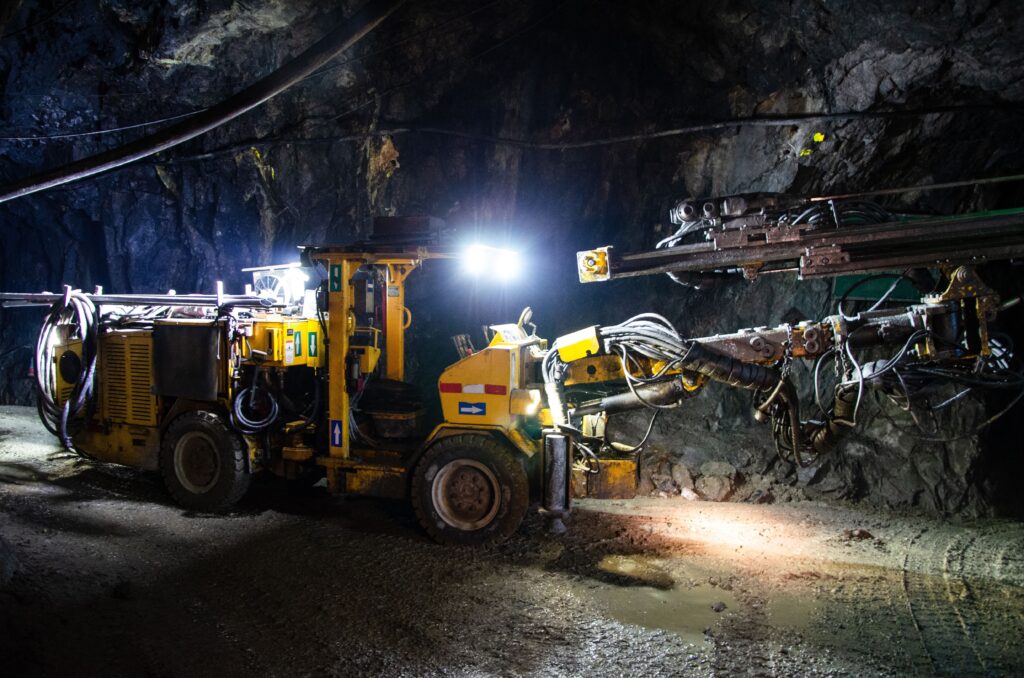
Pros and Cons of Buying Non-Genuine Heavy Equipment Parts
Non-genuine parts are not always substandard, but they vary widely in quality. Knowing their pros and cons lets you decide what’s best for your heavy equipment.
Pros
Lower upfront cost
One of the strongest appeals of non-genuine parts is their lower price. For older machines with a limited remaining service life, aftermarket options may be practical.
Wider availability
Local suppliers often stock generic parts that match a range of brands and models, making them easy to source on short notice.
Cons
Quality inconsistency
Since various manufacturers produce non-genuine parts with differing levels of quality control, there is no guarantee that these components meet the exact specifications. Performance and durability can vary widely, increasing the likelihood of premature wear or failure.
Potential loss of warranty coverage
Using incompatible components may void warranties on newer equipment models. This can translate to higher long-term maintenance costs.
Lower durability
Aftermarket components often do not undergo the same rigorous testing as OEM parts. This contributes to the quality issues with aftermarket parts frequently reported by fleet managers across industries.
4 Factors to Consider When Buying Non-Genuine Parts
Choosing non-genuine components requires a careful evaluation of the equipment’s purpose, operational conditions, and lifecycle.
1. Machine Usage and Workload
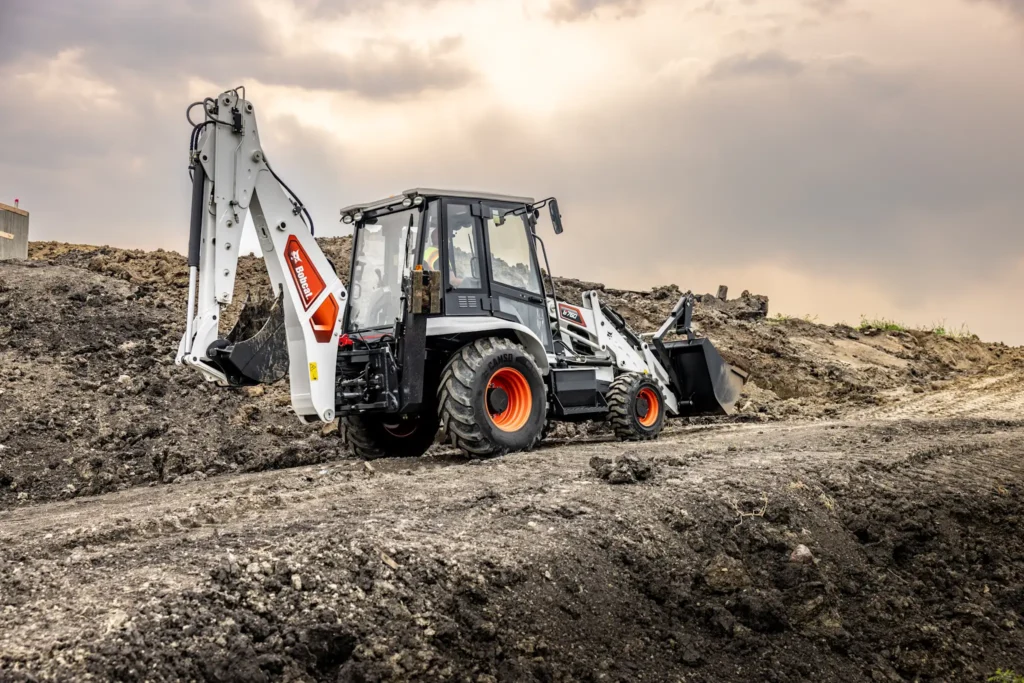
Equipment used in construction and mining works is subjected to constant vibration, heavy loads, and harsh terrain. Parts that fail prematurely can cause not only breakdowns but also secondary damage. For machines like excavators, dozers, and bobcat backhoe loaders, acquiring certified high-performance parts is often more practical than using cheaper substitutes.
2. Compatibility and Fit
Even slight deviations in measurements can affect machine calibration. Always verify dimensions, pressure ratings, and material composition. When in doubt, check against a trusted inventory of heavy equipment spare parts to ensure accuracy.
3. Supplier Reputation
A reliable supplier provides traceability, certifications, and consistent quality checks. CIVIC Merchandising is known for handling OE-grade and genuine components backed by professional service teams. This level of assurance is critical for operators managing fleets or government-owned heavy equipment.
4. Preventive Maintenance Requirements
When selecting aftermarket parts, consider how they will interact with your maintenance protocols. Well-planned service intervals and construction equipment preventive maintenance programs help offset some risks, but unreliable parts may complicate upkeep schedules.
Tips When Buying Non-Genuine Parts
Non-genuine parts may be viable for some applications, but the selection process must be strategic.
- Request full specifications: Ask for data sheets, material information, and compatibility guides. A trusted aftermarket supplier like CIVIC Merchandising should provide transparent documentation.
- Compare quotes but assess beyond price: A cheap part that fails early can become more expensive over time. Evaluate lifecycle cost and not just upfront savings.
- Check for warranty options: Some reputable aftermarket brands offer limited warranties. This is a good indicator of confidence in product quality.
- Avoid critical system components: For safety-critical parts such as braking systems, hydraulic components, or engine internals, prioritize genuine or certified remanufactured parts. The risk exposure is too high.
- Work with trusted service partners: A knowledgeable service provider ensures proper installation, calibration, and ongoing support. CIVIC Merchandising also offers maintenance, diagnostics, and a broad catalog of genuine and OE-grade components, making it easier for clients to make informed decisions.
Enhance Heavy Equipment Performance with High-Quality Parts
Non-genuine parts can offer convenience and lower prices, but they may also introduce risks that affect safety, performance, and long-term costs. When choosing between non-genuine vs. genuine heavy equipment parts, always consider workload, compatibility, and the impact on preventive maintenance.
For reliable performance and longer machine life, partner with a provider that understands heavy equipment from end to end. CIVIC Merchandising offers genuine parts, servicing expertise, and access to a complete portfolio of equipment solutions.
If you wish to consult with an expert, you may reach out to us. Let CIVIC help you find the right parts for your fleet.