
10 Questions to Ask When Buying Heavy Construction Equipment
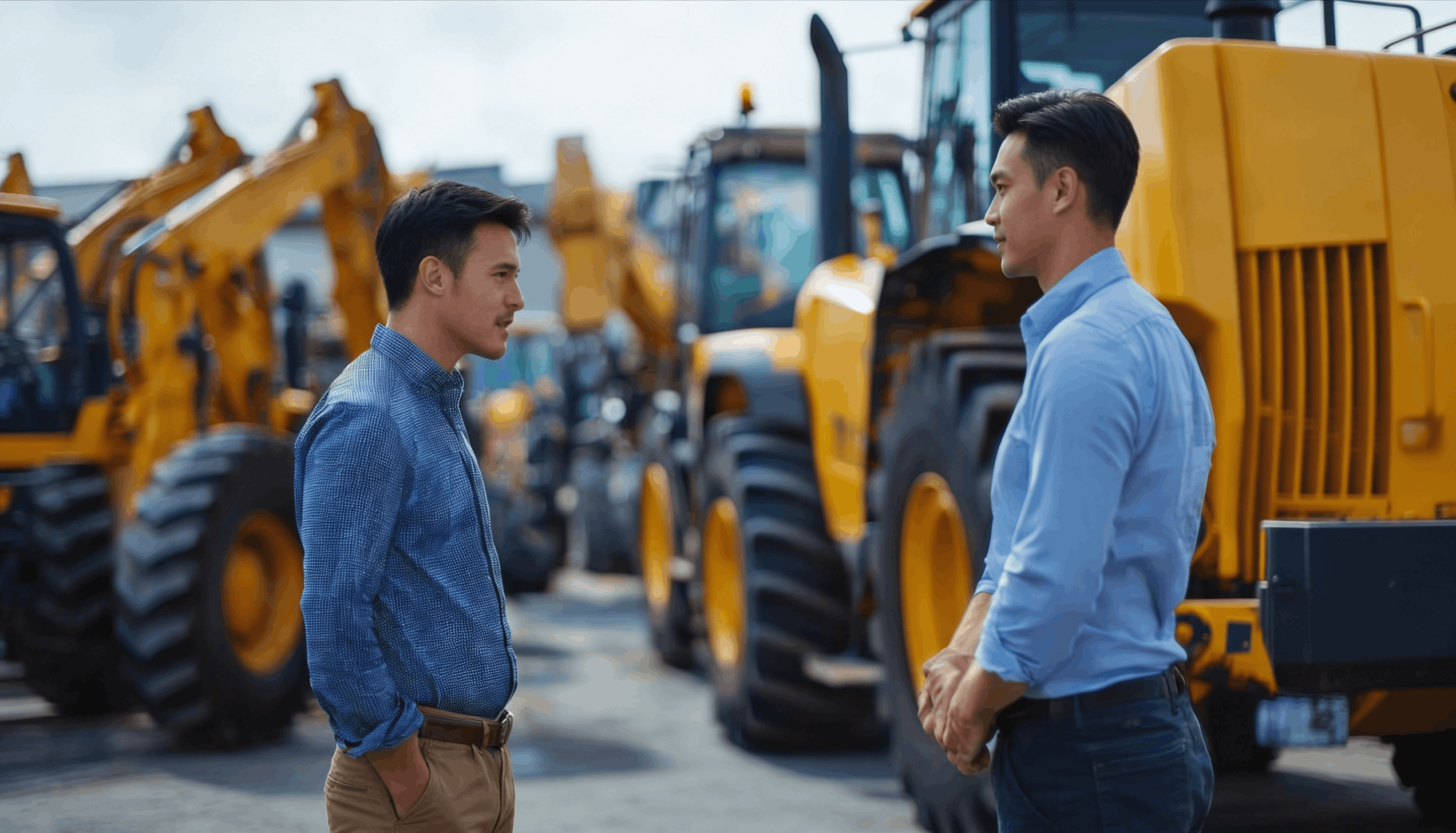
Purchasing heavy equipment is one of the most significant capital decisions a construction company will make.
The right machine on the right project can help meet timelines, lower operating costs, and keep workers safe. The wrong one can have the opposite effect.
But before you sign anything with a construction equipment dealer, it pays to slow down and ask the right questions.
This guide walks through the most important things to verify before buying construction equipment, the common pitfalls to avoid, and the importance of choosing the right local partner.
10 Questions to Ask When Buying Heavy Equipment
Not all dealers operate the same way. Some are focused purely on closing a sale, while others are invested in the long-term performance of the equipment they sell. The questions below will help you separate the two.
1. What brands do you carry, and are you an authorized distributor?
An authorized distributor has a direct relationship with the manufacturer, which means the units they sell are genuine, the warranties are valid, and technical support flows through an authorized channel.
Ask for documentation if necessary. Dealers who carry globally recognized brands like Volvo Construction Equipment provide a level of assurance that lesser-known or grey-market suppliers cannot match.
2. What is included in the warranty, and who handles warranty claims?
Warranty terms vary significantly between dealers. Ask for the full warranty document in writing.
Some things to clarify include the coverage period, which components are included, and who the point of contact is for filing a claim. If the dealer routes warranty work through a third party or requires you to ship the unit out of the region, that is a red flag. A reliable dealer handles warranty support directly and quickly.
3. Do you provide after-sales service and spare parts support?
When a machine breaks down on-site, the speed at which you can get it back into service depends entirely on how well your dealer supports you after the sale.
Ask whether the dealer has a dedicated service team, what their average response time is, and whether they stock genuine spare parts locally.
Proper maintenance of construction equipment is not possible without reliable access to OEM parts and trained technicians. This is a non-negotiable aspect of any purchasing decision.
4. Can you provide references from past clients in similar industries?
A dealer with a solid track record will have clients they can point you to. Ask for references from companies that operate in the same sector you do, whether that is road construction or infrastructure development.
Speaking directly with those clients will give you an honest picture of the dealer’s reliability, responsiveness, and overall quality of service. This is one of the most valuable things you can do before committing to a purchase.
5. What financing and leasing options are available?
Heavy equipment represents a major upfront investment. Ask whether the dealer offers in-house financing, lease-to-own arrangements, or partnerships with financial institutions that can structure payment terms around your project cash flow.
Government agencies and private companies alike benefit from flexible payment structures that do not strain working capital. A dealer who offers these options demonstrates a genuine interest in making the acquisition work for your organization.
6. What training and operator support do you provide?
Even experienced operators need to be familiarized with a new machine’s controls, safety features, and recommended operating procedures. Ask whether the dealer provides formal operator training upon delivery, and whether ongoing training resources are available.
Proper training reduces the risk of accidents, lowers machine wear, and extends the unit’s productive lifespan. Dealers who invest in training their clients’ teams are demonstrating a level of commitment that goes well beyond the transaction itself.
7. Is the equipment suited to local conditions, including terrain and climate?
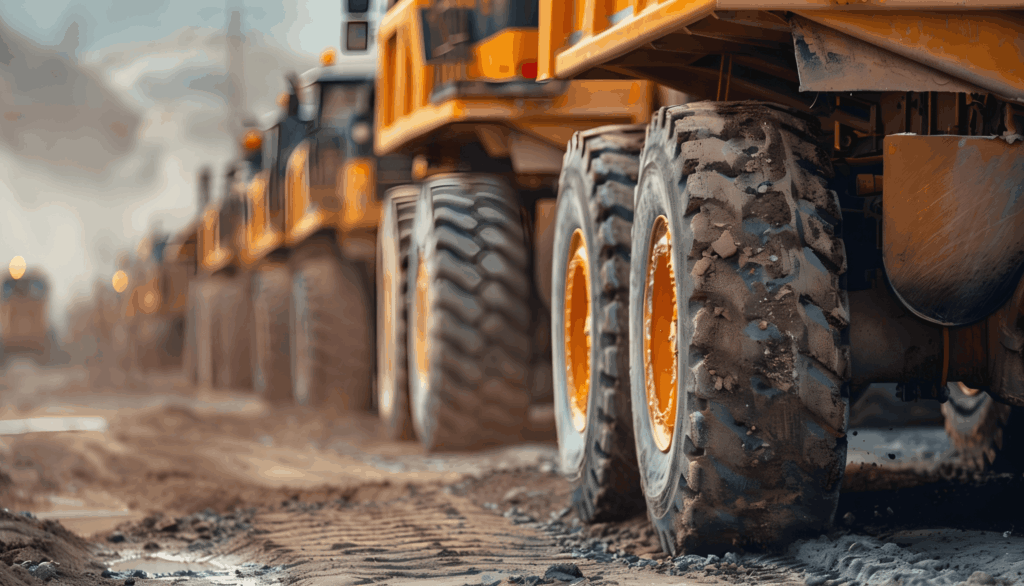
Not all heavy equipment performs equally across all environments. In the Philippines, equipment must withstand tropical heat and high humidity, steep terrain in many project areas, and the demands of both urban infrastructure and remote agricultural sites.
Ask your dealer whether the models they recommend have been tested or deployed under comparable conditions.
A knowledgeable local dealer will be able to match the right specifications to your operating environment rather than simply pushing the most available unit in their inventory.
8. What is your dealer’s track record and history in the market?
A dealer who has been operating for decades has survived market downturns, managed supply chain disruptions, and built relationships with clients through consistent performance.
Ask about their history, the industries they serve, and how long they have carried the brands they represent. This context tells you a great deal about the organization you are about to do business with.
9. Can you support us with connected services and fleet monitoring?
Modern construction increasingly relies on telematics and connected services to track fuel consumption, machine health, operating hours, and location in real time.
Ask whether the dealer can integrate these tools with the equipment they sell. Dealers who offer connected services provide a significant operational advantage, enabling your team to make data-driven decisions on maintenance scheduling, machine utilization, and project costing.
10. What is the dealer’s process for handling equipment downtime and emergency support?
Even well-maintained machines can experience unexpected breakdowns. Ask your dealer what their escalation process looks like when critical equipment goes down mid-project.
Find out whether they offer emergency on-site response, how quickly a technician can be dispatched, and whether loaner or rental units are available to keep your operations moving while repairs are completed. A dealer who has a clear, structured answer to this question takes your uptime as seriously as you do.
Common Mistakes to Avoid When Buying Equipment
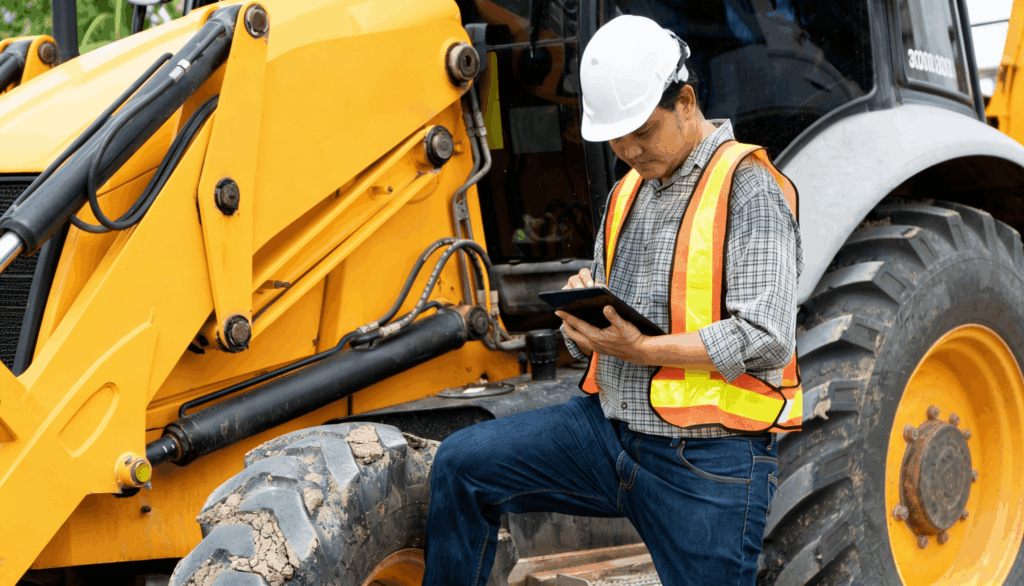
Knowing the right questions to ask before buying from a construction equipment dealer is only half the equation. It is equally important to be aware of the mistakes that can turn a good investment into an expensive problem.
Choosing Based on Price Alone
The lowest upfront cost rarely translates to the lowest total cost of ownership. A cheaper unit from a less reputable dealer may lack the parts support, service infrastructure, and build quality needed for sustained heavy use.
Overlooking After-Sales Support
Some buyers focus entirely on the machine’s specifications without asking who will service it, how fast parts can be sourced, and what happens when something breaks down in the middle of a critical project phase.
Skipping a Proper Site Assessment Before Purchasing
The right machine is not just about brand or capacity — it is about fit for purpose. Consult with your dealer’s technical team and ensure they understand your site conditions before making a recommendation.
Failing to Verify Dealer Authorization
Grey-market units may appear identical to authorized stock but will often come with voided manufacturer warranties and no access to OEM parts or factory technical support.
Rushing the Procurement Process
Heavy equipment acquisitions require due diligence. The time spent evaluating your dealer, confirming specifications, and reviewing service terms will pay off many times over across the life of the machine.
Why Choose CIVIC as Your Local Construction Equipment Dealer
CIVIC Merchandising Inc. stands apart from other local construction equipment dealers in the Philippines, offering world-class brands, comprehensive after-sales support, and decades of industry expertise, making it a true long-term operational partner.
- Decades of industry experience serving the construction and transportation sectors in the Philippines
- Authorized distributor of globally recognized brands such as Volvo, Bobcat, and UD
- Full manufacturer warranties and genuine OEM parts — no grey-market equipment
- Comprehensive aftermarket services, including repair and maintenance by factory-trained technicians, spare parts inventory, and performance-based service contracts
- Connected fleet services with real-time performance monitoring and proactive maintenance alerts for fleet managers
- Flexible financing and leasing options tailored to project timelines and budget cycles for both private companies and government agencies
- Operator and technician training to ensure safe, productive use of equipment from day one
- Long-term operational partner with world-class brands and deep after-sales support
Partner with a Trusted Construction Equipment Dealer
Buying heavy equipment is not a decision to be made quickly or based solely on price. The machines you acquire will shape the productivity, safety, and profitability of your operations for years to come.
By asking the right questions before you commit, such as verifying dealer authorization, understanding warranty terms, and confirming service and parts availability, you put your organization in a much stronger position to get genuine value from every investment.
If you are looking for a construction equipment dealer that meets the highest standards across all these questions, CIVIC Merchandising Inc. is ready to serve you.
Contact us today to explore the full range of equipment available, and find out how CIVIC can be the partner your operations deserve.