
Compaction Fundamentals: How to Avoid Costly Rework in Road and Infrastructure Projects
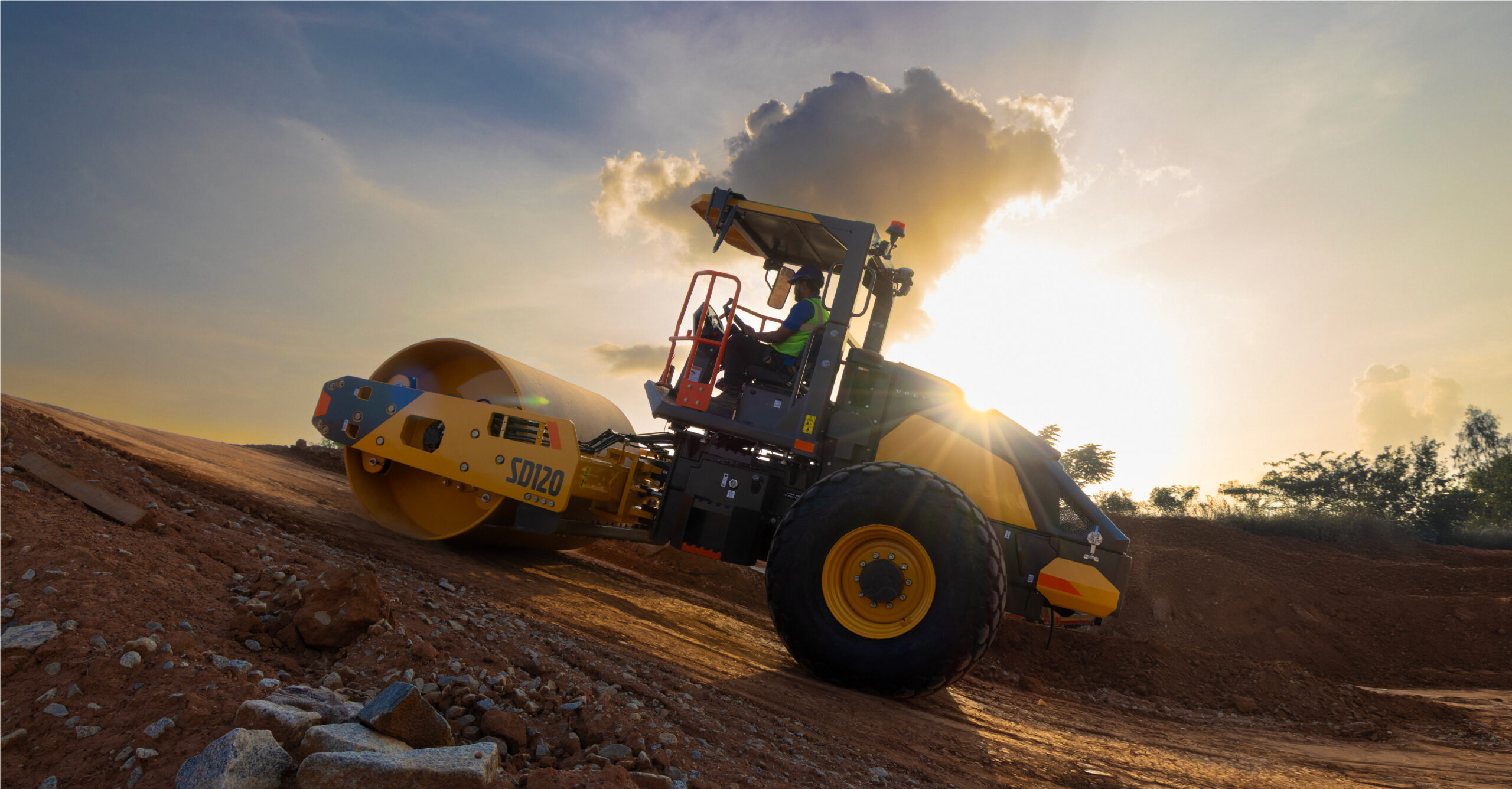
Soil compaction is often treated as the final, straightforward step before paving or laying concrete. However, inadequate density or improper compaction techniques remain leading causes of sub-base failure, premature rutting, and costly pavement cracking.
For civil contractors, project directors, and site supervisors, understanding the mechanics of soil compaction is critical to passing quality inspections and protecting project margins. Avoiding rework starts with managing moisture, lift thickness, and machine selection correctly from day one.
The True Cost of Poor Compaction
When sub-base layers are unevenly compacted, the structural integrity of the entire roadway or foundation is compromised. Over time, heavy traffic and environmental settling will exploit weak spots, leading to:
- Expensive Rework: Excavating, re-treating, and re-compacting a failed sub-base can single-handedly wipe out the profit margin of a municipal or commercial contract.
- Surface Rutting and Cracking: Inconsistent density causes localized shifting, tearing up newly laid asphalt or concrete surfaces.
- Drainage Failures: Settling sub-grades alter water runoff patterns, leading to pooling and accelerated erosion along road shoulders.
Key Factors for Optimal Density
Achieving uniform compaction across varying soil types—from cohesive clays to granular sands—requires balancing three core variables:
- Moisture Control: Soil must be near its optimum moisture content. Too dry, and particles won’t bind; too saturated, and the material will simply displace under the drum instead of densifying.
- Lift Thickness: Attempting to compact too thick a layer in a single pass is a common shortcut that leaves lower layers uncompressed. Proper specifications dictate controlled lift depths to ensure energy reaches the bottom of the layer.
- Dynamic Force and Weight Distribution: Effective compaction relies on a combination of static weight and centrifugal force. Using equipment properly matched to the material ensures maximum ground penetration and uniform density without over-crushing brittle aggregates.
Aligning Equipment with Project Demands
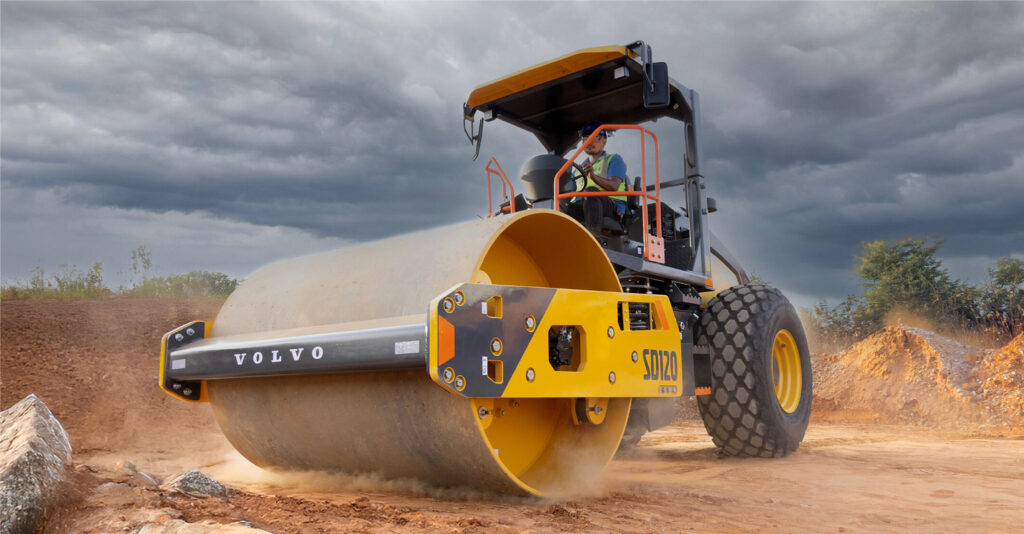
Whether executing a municipal roadway, an industrial platform, or a mining access road, matching the right machine to the job prevents mechanical strain and ensures consistent passes. For medium-to-heavy applications requiring high reliability and controlled operating costs, operators frequently look to specialized soil compactors—such as the Volvo SD120—which combine robust centrifugal force with built-in fuel efficiency to keep heavy compaction projects on schedule and under budget.
By prioritizing strict density standards, understanding soil behavior, and deploying reliable compaction assets, contractors can deliver durable infrastructure that stands the test of time.
Ready to Strengthen Your Project Foundation?
Ensure your next road construction or earthmoving project meets the highest standards of density and reliability. At Civic Merchandising Inc., we provide industry-leading compaction solutions designed to maximize your uptime and protect your profit margins.
Visit our major hubs to explore our equipment lineup:
- Quezon City (Head Office)
- Cebu
- Davao
- Cagayan de Oro
- Surigao
- Isabela
- Legazpi
- Iloilo
- Batangas
Contact your local Civic representative today to discuss how the Volvo SD120 can bring superior performance and efficiency to your next job site.