
Why the Best Jobsites Start with the Operator’s Experience

In the high-stakes world of construction, we often measure success in tons moved, floors poured, and deadlines met. We look at the “heavy iron” on the field and see muscle. But in 2026, the industry is realizing that the most critical component of any machine isn’t the engine—it’s the person in the seat.
When a machine is designed “with customers, for customers,” it ceases to be just a tool and becomes a high-performance environment. Here is how the shift toward user-centric design in telehandlers is quietly revolutionizing jobsite productivity.
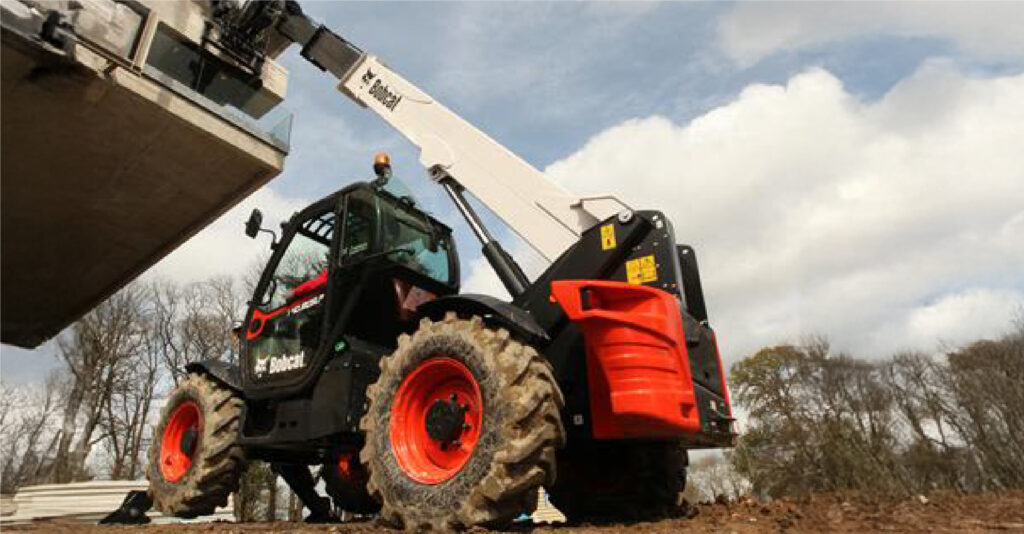
1. The ROI of “Unrivaled Comfort”
It’s a common misconception that “comfort” is a luxury. In reality, comfort is a direct contributor to the bottom line. Fatigue is the leading cause of operator error, and error leads to costly downtime or site accidents.
By prioritizing an ergonomic cab—found in the latest Bobcat Construction Telehandlers—businesses are investing in sustained precision. When an operator has 360-degree visibility and intuitive, smooth controls, the “mental load” of the job decreases. An operator who feels fresh at hour eight is just as productive as they were at hour one.
2. Precision as a Safety Standard
On a crowded jobsite, “close enough” isn’t good enough. Whether placing a pallet of bricks on a third-story scaffolding or navigating a tight urban alley, precision is synonymous with safety.
The move toward Smart Operation means that the machine works with the operator, not against them. High-performance hydraulics and precise boom controls allow for “inch-perfect” placement. This level of control, standard in the Bobcat R-Series, ensures that the surrounding community and ground crews are protected by the sheer predictability of the machine’s movement.
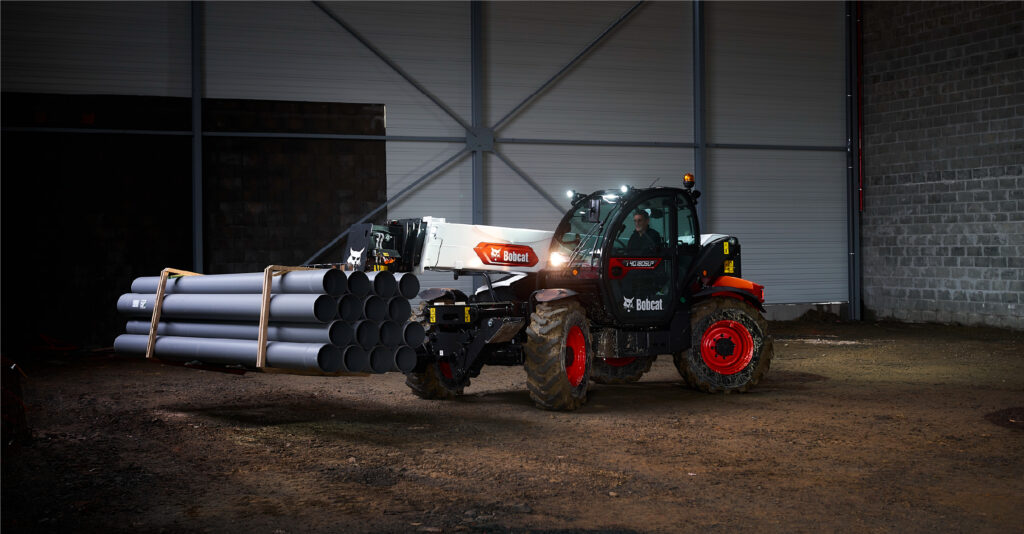
3. The “Swiss Army Knife” Efficiency
The most sustainable jobsite is an efficient one. Instead of having three specialized machines idling and burning fuel, the modern telehandler acts as a fleet multiplier.
Thanks to robust design and versatile attachment systems, one unit can pivot from a high-reach lifter to a material handler in minutes. This “Balanced Combination” of power and agility means fewer machines on site, less congestion in neighborhood streets, and a significantly smaller carbon footprint for the project as a whole.
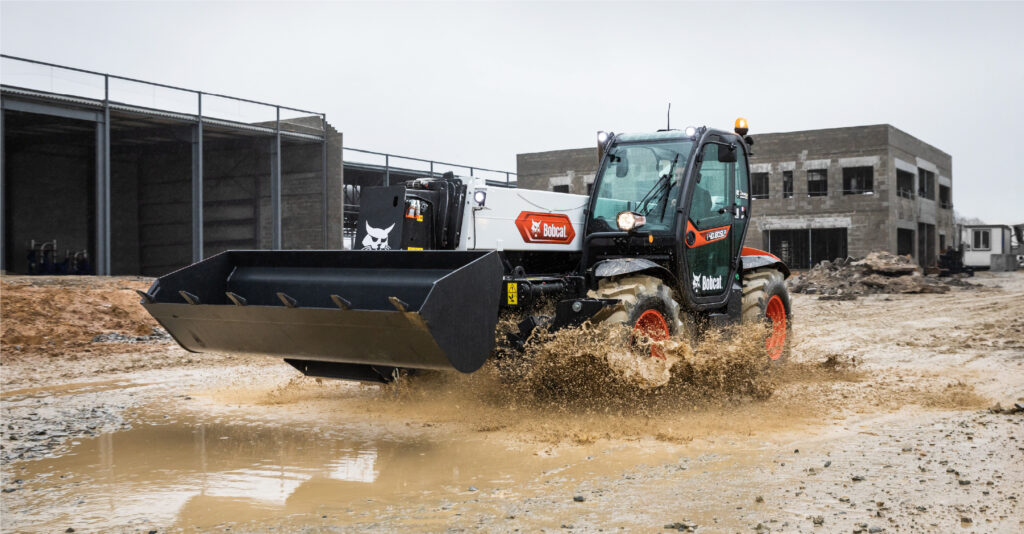
4. Engineering for Maximum Uptime
In the Philippines’ demanding climate, “robust” isn’t just a buzzword—it’s a survival trait. A machine that stays in the shop is a liability. By focusing on “Maximum Uptime,” the latest engineering standards ensure that maintenance is simple and intervals are long.
When a machine is dependable, the project stays on schedule. When a project stays on schedule, the community experiences less disruption, and the business sees a faster return on its capital investment.
Conclusion: Building for the Human Element
The future of construction isn’t just about moving more dirt; it’s about moving it smarter. By choosing equipment that prioritizes the human experience, we aren’t just building structures—we’re building a more professional, safe, and efficient industry.
The Bobcat Construction Telehandler proves that when you design a machine around the person using it, the results speak for themselves: higher retention, lower costs, and a better jobsite for everyone.