
Genuine vs. Reman vs. Aftermarket Parts: What’s Best for Your Machines?
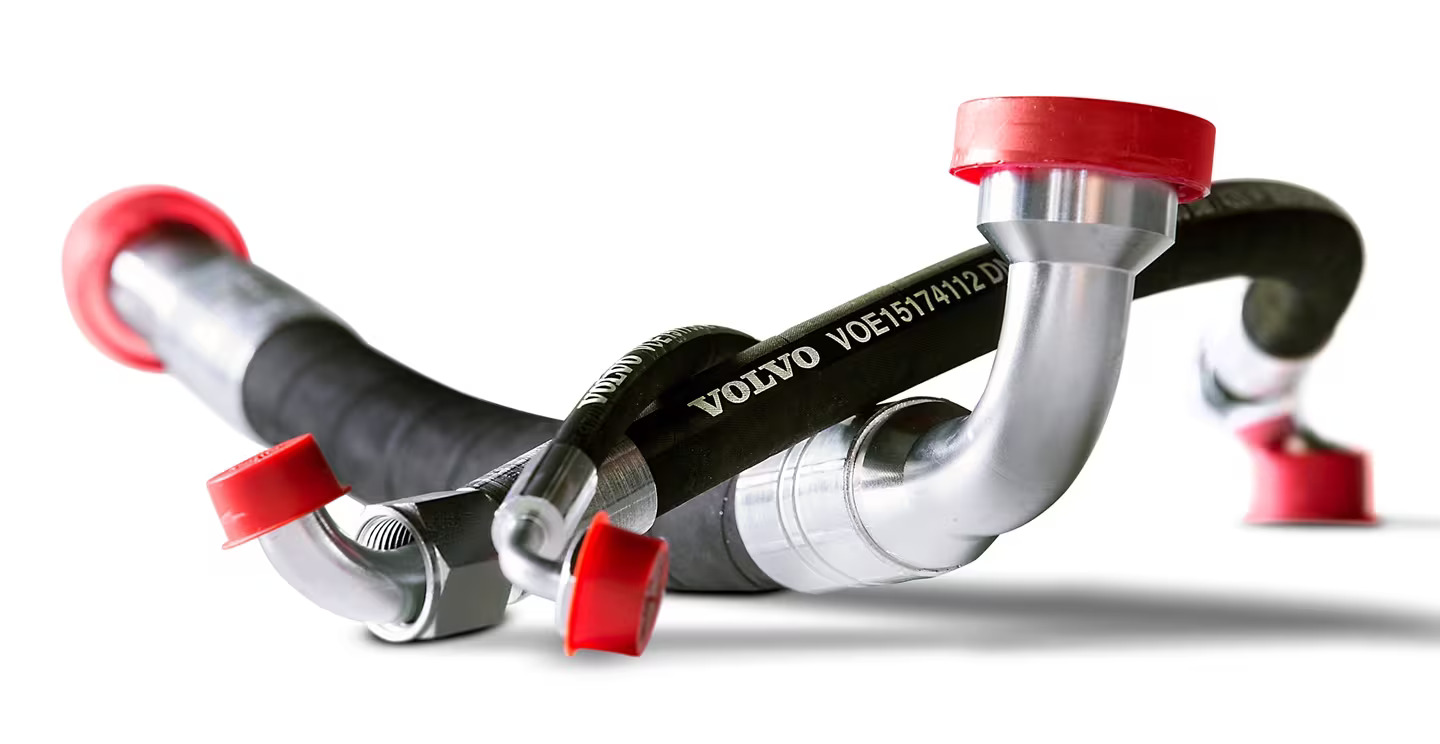
The fastest way to reduce unexpected breakdowns is to understand which parts truly support long-term equipment performance.
Key Takeaways:
- Genuine, remanufactured, and aftermarket parts serve different needs depending on machine usage and budget.
- Genuine parts offer the highest performance, while remanufactured options balance quality and cost.
- Aftermarket parts provide affordability but require careful selection to avoid compatibility and reliability issues.
Keeping construction equipment parts in top condition is essential for operations. One of the most common concerns in fleet maintenance is deciding between genuine vs. aftermarket parts, including the growing availability of remanufactured options.
With so many choices, it becomes necessary to understand how each option affects reliability, operational safety, and the long-term performance of your machines.
In this guide, we break down genuine, remanufactured, and aftermarket parts to help you compare which option best fits your equipment.
Genuine Heavy Equipment Parts
Genuine parts, also known as Original Equipment Manufacturer (OEM) parts, are components built by the same manufacturer that produced your heavy equipment. These parts follow strict engineering standards, using the exact materials, specifications, and tolerances intended for the machine. They are also designed to integrate with your equipment’s existing systems, which improves long-term reliability.
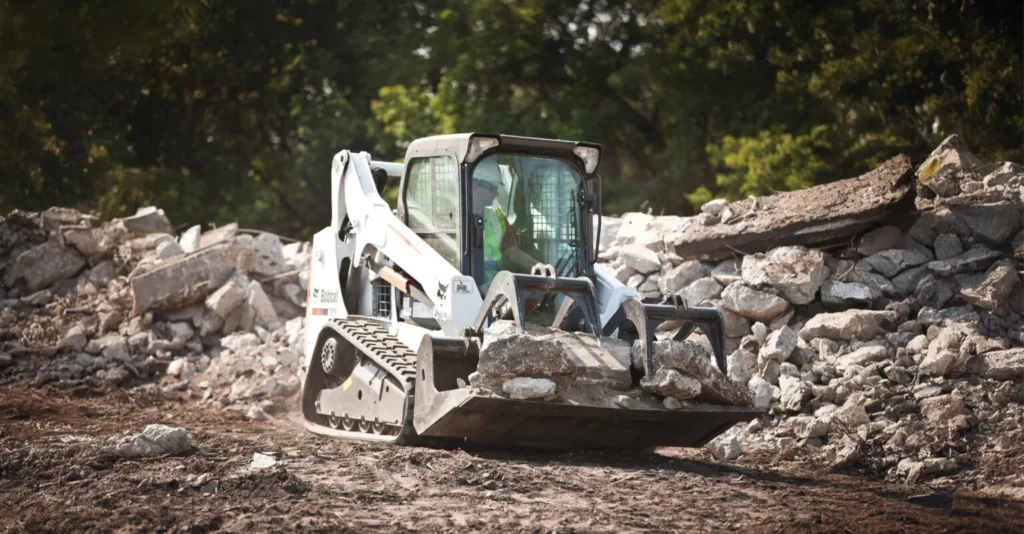
For example, if your fleet includes Bobcat compact track loaders, choosing genuine parts ensures that your machines operate at peak performance and maintain their service life.
Pros of Using Genuine Parts
- Highest reliability and longevity: Each component is engineered to match the original machine design
- Improved safety and performance: Genuine parts help preserve hydraulic pressure, fuel efficiency, and load capacity
- Consistent supply of compatible parts: They reduce the risk of mismatched specifications
- Better warranty support: OEM warranties help safeguard your investments
Cons of Using Genuine Parts
- Higher upfront cost: Genuine parts typically cost more due to strict quality control and specialized manufacturing
- Lead times for rare components: Some OEM parts for older models may require longer sourcing times
CIVIC Merchandising provides a genuine supply of heavy equipment parts to ensure projects run smoothly and machines stay operational.
Remanufactured Parts
Remanufactured parts offer a middle-ground solution for operators who want affordability without sacrificing reliability. These parts are previously used OEM components that have been fully restored to manufacturer-approved performance standards.
During the reman process, critical parts are cleaned, repaired, or replaced to match original tolerances.
Pros of Using Remanufactured Parts
- OEM-level engineering: Since these parts began as genuine components, they maintain high compatibility
- Lower cost than brand new: They provide substantial savings without compromising on reliability
- Environmental benefits: Remanufacturing reduces waste and promotes circular production
- Backed by warranty: Most reman parts come with warranty coverage, similar to OEM parts
Cons of Using Remanufactured Parts
- Availability depends on core returns: Stock levels vary depending on the supply of rebuildable components
- May not be available for all models: Some older or highly specialized machines may have limited reman options
Fleet managers using Volvo machines can explore the benefits of choosing Volvo remanufactured parts to see how reman solutions compare with brand-new components.
Aftermarket Heavy Equipment Parts
Aftermarket parts are made by third-party manufacturers who design components to fit and function like OEM parts but do not follow the exact production standards of the original brand. The quality of aftermarket parts varies widely, depending on the manufacturer, materials, and testing processes.
Pros of Using Aftermarket Parts
- More affordable: They often cost less than both genuine and remanufactured parts
- More available suppliers. Ideal for standard wear-and-tear components like filters, hoses, and fasteners
- Shorter lead times: Many dealers stock easily replaceable aftermarket components
Cons of Using Aftermarket Parts
- Inconsistent quality: Without strict OEM standards, performance can vary
- Higher risk of premature wear: Some components may not match OEM tolerances, which affects machine lifespan
- Possible compatibility issues: Variations in design may affect hydraulic, electrical, or mechanical performance
When assessing genuine parts vs. aftermarket parts, procurement teams must weigh lower upfront costs against the potential downtime or reduced efficiency.
Heavy Equipment Machine Parts Comparison
To help you visualize the differences between the three types of parts, here is a quick comparison:
| Part Type | Performance | Lifespan | Cost | Warranty | Best For |
| Genuine Parts | Highest and most consistent | Longest | Highest | Strong OEM warranty | Newer fleets and mission-critical machines |
| Remanufactured Parts | Near-OEM performance | Long but slightly shorter than brand new | Moderate | OEM or dealer warranty | Cost savings without sacrificing reliability |
| Aftermarket Parts | Varies by manufacturer | Short to moderate | Lowest | Limited or none | Non-critical repairs and older equipment |
This table summarizes the main considerations when comparing genuine, remanufactured, and aftermarket machine parts for your fleet.
Which is Better: Genuine, Remanufactured, or Aftermarket Parts?
Each option has its place in fleet maintenance. The right choice depends on your operational priorities:
- Choose genuine parts if you need maximum reliability, especially for equipment used daily under high stress, such as excavators, loaders, or mining haulers
- Choose remanufactured parts if you want excellent quality with lower cost while still benefiting from OEM-level engineering
- Choose aftermarket parts if you need a fast, affordable solution for older machines, secondary units, or non-critical systems
For comprehensive support, CIVIC offers genuine and remanufactured solutions, complete with technical services and maintenance programs to help operators minimize downtime.
5 Tips for Choosing the Right Heavy Equipment Parts
Here are practical guidelines to help procurement teams and equipment managers choose the right parts. These tips can support better decision-making for both cost and performance.
1. Evaluate the machine’s role in your operations
Mission-critical units that operate for long hours should stick to genuine or remanufactured parts. Less-used equipment may function well with quality aftermarket components.
2. Consider the overall operating costs
Cheaper parts may also result in more frequent breakdowns or lower machine efficiency. It is important to weigh upfront savings against long-term reliability. Procurement teams can also optimize spending by pairing strategic parts selection with heavy equipment financing to fund essential machine upgrades.

3. Verify supplier credibility
Look for dealers with strong technical support, clear warranty terms, and a history of working with industrial fleets. CIVIC Merchandising provides dedicated after-sales support and access to trusted OEM brands.
4. Match parts to your equipment’s service history
Machines with older systems may no longer have genuine parts available, making remanufactured or aftermarket alternatives more practical.
5. Consult your maintenance team
Technicians know which components fail frequently and understand the performance differences between genuine vs. aftermarket parts in real-world operations.
Power Your Operations With High-Quality Heavy Equipment Parts
Choosing between genuine, remanufactured, and aftermarket heavy equipment parts is not just about cost. It is about ensuring your fleet remains safe, productive, and able to meet project demands.
Understanding the distinctions between these three options helps you make strategic decisions that support equipment longevity and improve operational efficiency.
Whether you need OEM precision, reliable remanufactured components, or cost-effective aftermarket solutions, CIVIC Merchandising offers a complete selection of parts and technical support to keep your machines performing efficiently.
Explore our full lineup of services and equipment solutions to keep your fleet fully operational. Contact us today for expert support with your heavy equipment needs.
FAQs about Genuine vs. Reman vs. Aftermarket Parts
1. Are aftermarket parts safe to use for heavy equipment?
Yes, but it depends on the manufacturer. High-quality aftermarket parts can be reliable, but lower-grade options may wear out faster or cause performance issues. Always check supplier credibility.
2. Are remanufactured parts as good as genuine parts?
Remanufactured parts can match near-OEM performance because they are rebuilt from genuine components. They are a strong choice for cost savings without sacrificing reliability.
3. When should I choose genuine parts over other options?
Choose genuine parts for mission-critical machines, daily-use equipment, or components that affect safety systems, such as hydraulics or braking.
4. How do I know which type of part is best for my equipment?
Consider the machine’s workload, your maintenance history, and your technicians’ advice. A trusted supplier like CIVIC Merchandising can also guide your selection.